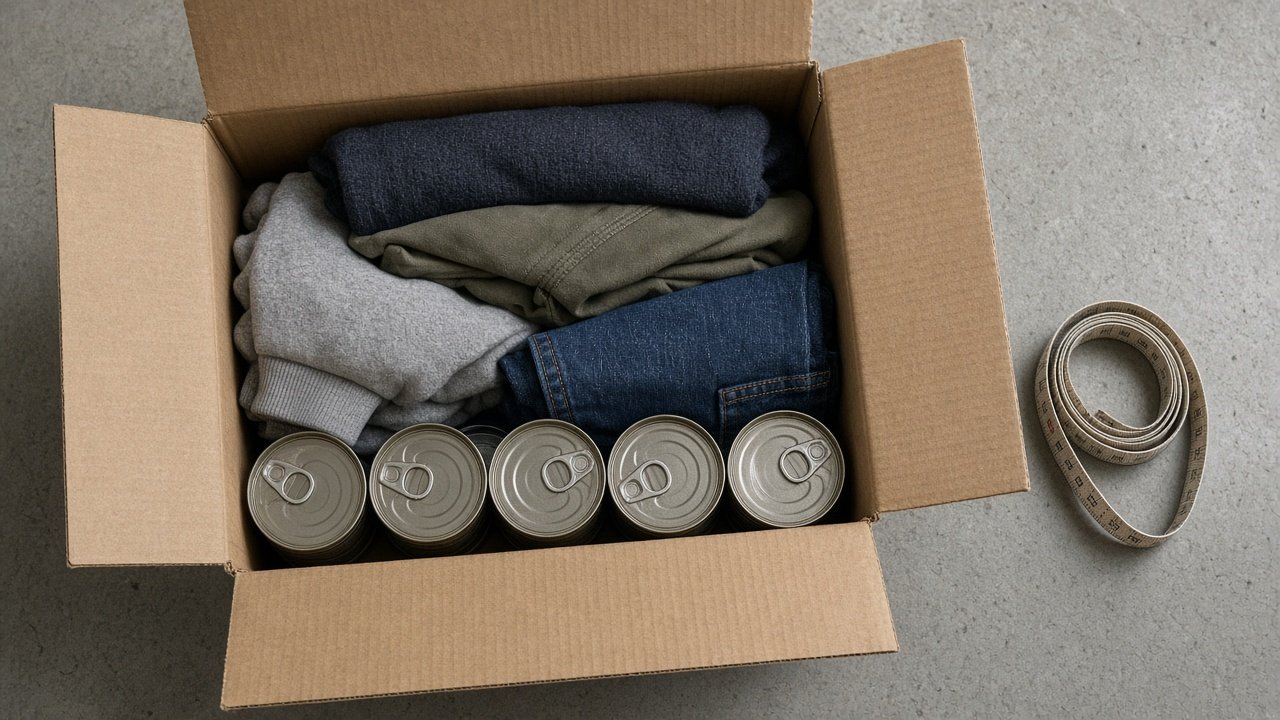
The list is the least romantic part of sending a box, and it is the part that saves the argument later. A relative in Tema opens the carton and asks where the second bottle of oil went. Customs asks what “personal effects” means. You are in Dubai, the box is on a ship, and your memory has already edited the weekend.
Write it down before the tape goes on. Ordinary words. Quantities. Nothing literary.
A list that a stranger can use
- Rice, one bag
- Cooking oil, two bottles, taped
- Shirts, folded
- School shoes, one pair
- Used phone, one, declared
That is enough. “Gifts”, “miscellaneous”, and “clothes etc.” are how a simple carton becomes a long afternoon. The terms put the contents and the weight on you. Accurate information is not a favour to the office. It is the condition of the shipment.
If something is valuable, say so, and ask about insurance. Items that are not insured are not covered if they are damaged. Cash and undeclared jewellery should not be in the box at all.
Who gets a copy
You. The person collecting the carton. The booking, if we ask for it. For a Ghana, Cameroon, or Nigeria box, customs clearance is part of the published AED 400, and a clear list helps that work. For Uganda, Gabon, and Sierra Leone, ask about customs before you pack, and bring the list to that conversation. The country pages start at Request a box.
Take a photo of the open carton and a photo of the list. Phones get lost. So do pieces of paper. A photo in two places is a boring kind of safety that works.
What the list will not do
It will not make a prohibited item legal. It will not raise the 50 kg limit. It will not turn warehouse collection in Tema, Douala, Lagos, Abuja, Kampala, Libreville, or Freetown into a different address you forgot to mention. If the delivery plan changed, tell +971 52 492 9941 before collection day.
When the waybill exists, put that number on the same note as the list. Track is useless if the only copy of the number was written on the flap and the flap is now in another country.